St Paul’s Bay
St. Paul’s Bay, located on the northern coast of Malta, is one of the most popular and picturesque locations on the island. Known for its rich history, thriving nightlife, and a vibrant property market, St. Paul’s Bay has evolved from a quaint fishing village into a buzzing tourist destination. This article offers a brief overview of the bay’s historical significance, nightlife, modern status, and property market, making it your complete guide to the area.
History
The history of St. Paul’s Bay dates back thousands of years, but its most prominent story is connected to St. Paul, who is believed to have been shipwrecked on the island in 60 A.D. during his journey to Rome. This event is said to have played a pivotal role in the spread of Christianity in Malta. Over the centuries, the bay remained a small fishing port with very few inhabitants, flourishing mainly in the 19th and 20th centuries as new settlers moved in due to its strategic coastal location.
World War II also saw St. Paul’s Bay play an important role, with the British using the area for naval operations. As the war ended and Malta gained independence, the bay began to attract more residents and tourists alike. This influx of people led to the development of more modern infrastructure, shaping the area into a lively coastal town.
Where St Paul’s Bay Sits on the Island
St Paul’s Bay falls within the Northern Region of Malta, around sixteen kilometres from Valletta. Because of its position on the coast, most people describe it as part of the North. It is the largest town in the region and the most populated in the country, with just under 39,000 residents across 14.5 square kilometres. In summer, that figure can climb to around 60,000.
The local council covers several areas. These include Buġibba, Qawra, Xemxija, Burmarrad, Wardija and San Martin, along with parts of Bidnija and Mistra. As a result, “St Paul’s Bay” means very different things from one street to the next, from busy resort strips to quiet countryside.
St Paul’s Bay sits on Malta’s northeast coast, and it has grown from a small fishing port into the most populous locality on the island. Its name recalls the shipwreck of St Paul, and its coastline now holds a lively mix of resorts, promenades, hotels and homes. So whether you want a seaside apartment, a strong rental market or a year-round base in the north, St Paul’s Bay deserves a serious look. Your next chapter starts here.
Schools in the Area
St Paul’s Bay is home to a number of local schools serving its large population. In addition, the area is a popular base for English language schools, particularly in Buġibba. Mosta and Mellieħa are also close by, so families have plenty of church, state and independent options within a short drive.
Lifestyle in St Pauls Bay
St Paul’s Bay offers a lifestyle built around the sea, with plenty of choice in pace and atmosphere. Archaeological remains here date back to around 4000 BC, including the temples of Buġibba and Xemxija. The bay was an important harbour in Roman times, and the Knights of St John later built watchtowers along the coast. Wignacourt Tower, completed in 1610, is the oldest surviving watchtower in Malta.
Today, the area is split into distinct zones. Buġibba and Qawra are the busiest, with hotels, restaurants, bars, nightclubs and a casino, and they are especially popular with visitors and students. The Malta National Aquarium is also in Qawra. Meanwhile, the old core of St Paul’s Bay and Xemxija feel calmer and more residential. Burmarrad and Wardija, inland, still hold farms and open countryside.
Because of this variety, St Paul’s Bay suits a wide range of buyers. Property ranges from seafront apartments to villas and farmhouses further inland. However, summer crowds and traffic are worth keeping in mind, especially around Buġibba and Qawra.
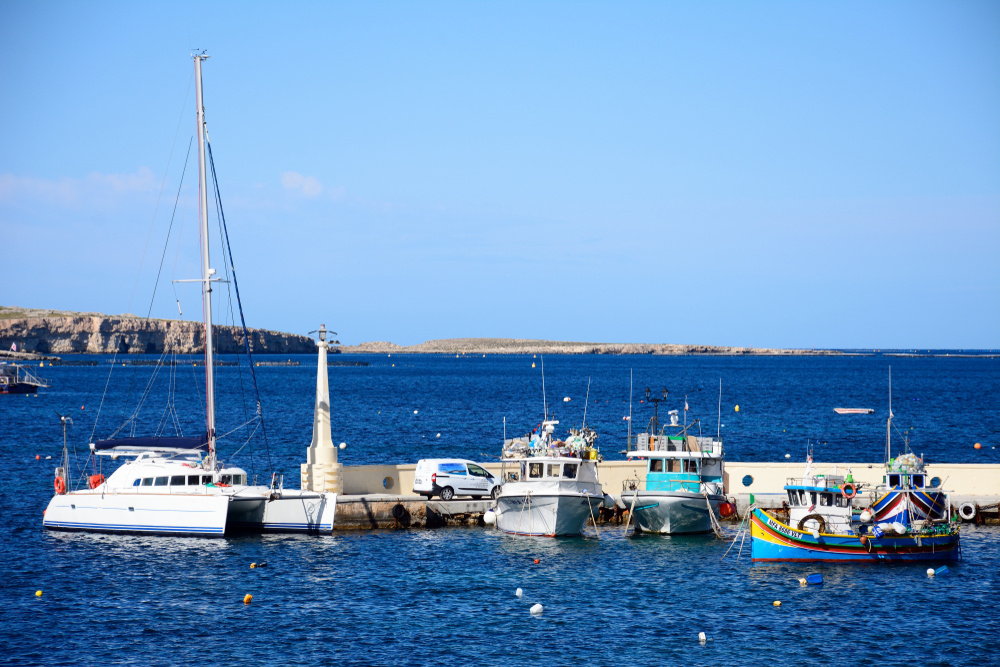
Feast Celebrations
St Paul’s Bay holds several feasts across its zones. The main village feast honours Our Lady of Sorrows and takes place towards the end of July. The parish of Qawra and Buġibba celebrates on 17 September, in honour of the stigmata of St Francis. In addition, Burmarrad holds its own feast on the last Sunday of June, centred on the parish dedicated to the Immaculate Heart of Mary. So the summer calendar here is busy, with a feast in more than one zone.
Restaurants and Dining
St Paul’s Bay has one of the busiest dining scenes in the north. Buġibba and Qawra are lined with restaurants, cafés and bars, many with sea views and outdoor tables. Meanwhile, the quieter parts of the bay and Xemxija offer a calmer, more local choice. As a result, residents can choose almost any style of food within a short walk.
Grocery Shops and Everyday Amenities
St Paul’s Bay is well served for everyday shopping, with supermarkets, convenience stores, bakeries, pharmacies and banks spread across Buġibba, Qawra and the main roads. So whether you need a quick top-up or a full weekly shop, almost everything is close to home.
Transport Links
St Paul’s Bay is well connected by bus to Valletta, Mosta and the rest of the north, with Buġibba and Qawra acting as the main hubs. In addition, a new ferry terminal and breakwater opened in Buġibba in July 2025 to support a planned fast ferry route linking Sliema, Buġibba and Gozo. Drivers should note that traffic can be heavy in summer, particularly along the coast.
Special Designated Areas (SDA)
St Paul’s Bay does not currently have a Special Designated Area within its own boundaries, but there is one just across the border. Tarġa Square sits in San Pawl tat-Tarġa, a quiet residential zone in neighbouring Naxxar, and it holds full SDA status. The development offers 136 apartments across two medium-rise blocks, with one, two and three-bedroom units and penthouses, alongside on-site amenities such as a café, a pharmacy, a gym and a childcare centre. Thanks to its SDA status, both EU and non-EU buyers can purchase any number of units without needing an AIP permit. In addition, Mellieħa, a short drive north, has several further SDA developments. That said, St Paul’s Bay itself remains fully open to EU buyers, and non-EU buyers can also purchase here through the standard Acquisition of Immovable Property (AIP) permit process. Either way, its seaside setting and strong rental demand keep interest high.
Nearby Beaches
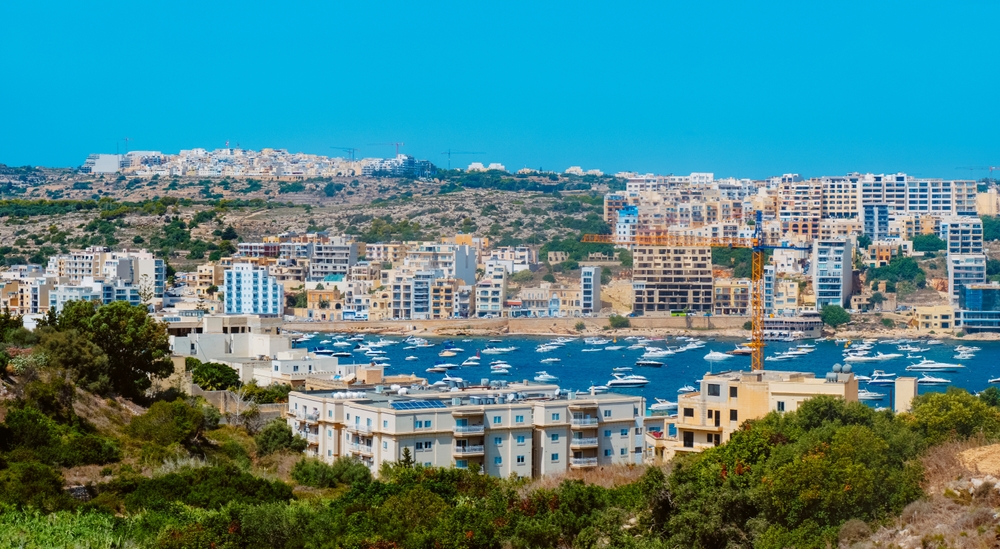
St Paul’s Bay is defined by its coastline. The rocky seafront and small bays around Buġibba, Qawra and the old bay offer easy access to the sea for much of the year. Mistra Bay sits to the north, and St Paul’s Island is visible just offshore. For larger sandy beaches, Golden Bay and Ġnejna Bay lie across the Wardija Ridge, and Mellieħa’s beaches are a short drive away. So a swim is never far from home in St Paul’s Bay.
Nightlife in St Paul’s Bay
Nightlife in St. Paul’s Bay has evolved dramatically in recent decades. Traditionally a quiet area, the increasing popularity among tourists has resulted in a flourishing entertainment scene. In the 1970s and 80s, bars and clubs started cropping up, catering to the growing number of visitors looking for after-dark fun.
Why Choose St Paul’s Bay
St Paul’s Bay offers something rare on the island: seaside living, deep history and a choice of atmospheres, all within one large town. Because of this, it continues to attract families, retirees, tenants and investors from Malta and abroad. Whether you are drawn to the lively resort areas or the quieter countryside, St Paul’s Bay offers a genuinely varied home on Malta’s northern coast.
Today, St. Paul’s Bay boasts a variety of nightlife options. Whether you’re after a quiet evening sipping cocktails by the waterfront or a night of dancing and live music, there’s something for everyone. Bugibba and Qawra, two areas adjacent to St. Paul’s Bay, are particularly lively, with several bars, pubs, and clubs offering entertainment for all ages. These spots are highly popular during the summer months when Malta’s tourism reaches its peak.
BUY
Properties For Sale in St Paul's Bay
RENT
Properties For Rent in St Paul's Bay
Localities
Discover other Maltese localities
Take a deep dive and browse the Maltese localities and local insights to see if the homes for sale/rent are right for you.